


 £6.95
£6.95 £6.95
£6.95


You will not be allowed to compare more than 4 products at a time
View compareSunwood Real Wood
Sunwood Real Wood
Hurry! Only 50 left in stock
Regular price
£6.95
Regular price
Sale price
£6.95
Unit price
per
Tax included.
Vendor: Wood Blinds
Tape Guide

Estimate delivery times: 12-26 days
Let us Know About Your Query!
Contact Us
Description
Description
The Beauty of Genuine Hardwood
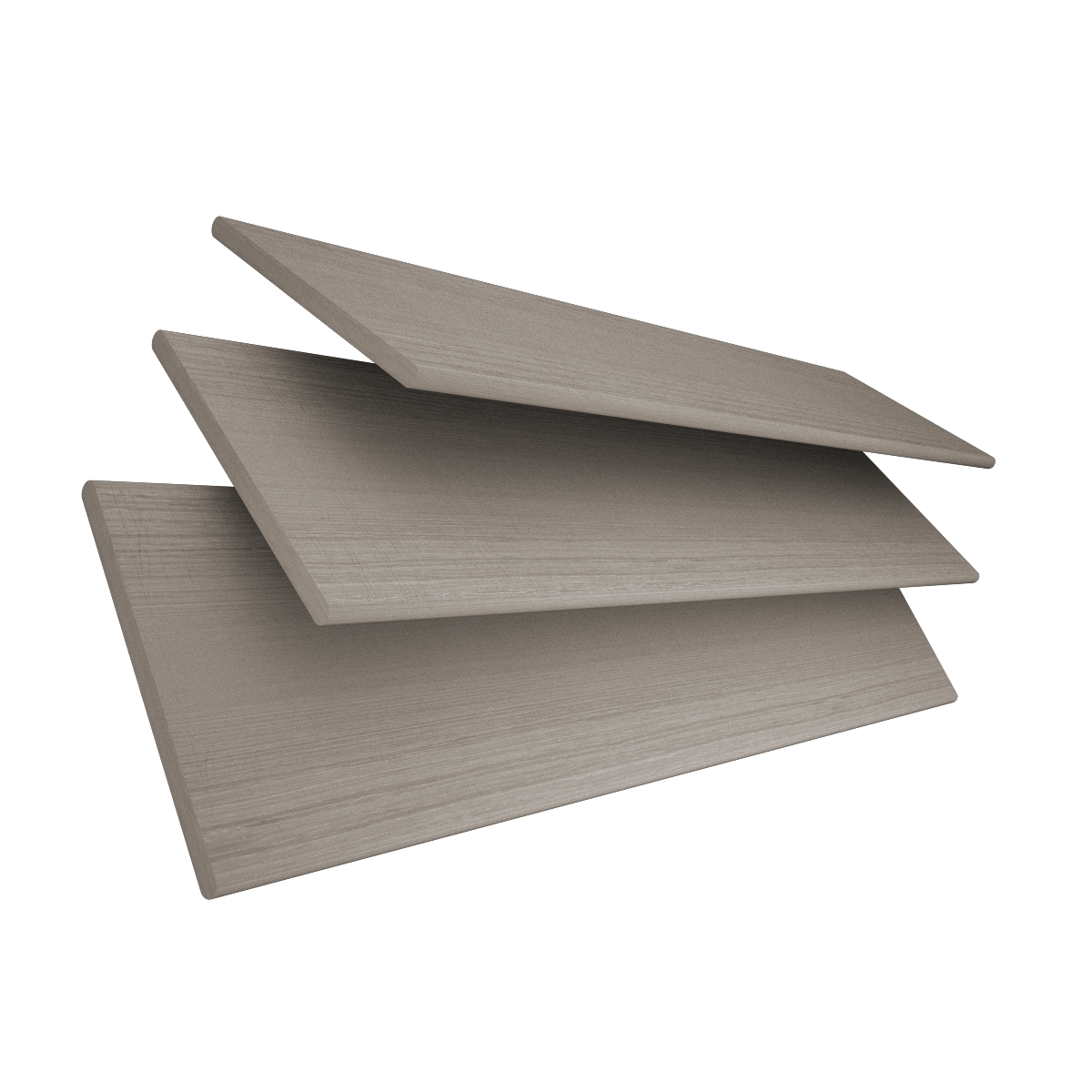
Nature doesn't do "identical." Every Sunwood blind is milled from genuine solid wood, so no two slats are perfectly alike — the grain, the depth, the subtle variation in tone are what give it that authentic character no faux material can fully replicate.
A Single, Considered Piece
We don't just match colours — we match craftsmanship. Slats, valance, bottom bar and tassels all share the same natural wood finish. The headrail, buttons and cord condenser are finished in complementary tones, and even the cords and ladder braid are chosen to blend seamlessly. The result feels less like a window covering and more like a piece of furniture.
Choose Your Grain
Available in 35mm or 50mm slats (3mm thick). The 50mm range spans eight distinct finishes — Glacier, Divine, Marlin, Pavilion, Empire, Volt, Soho and Bali — while 35mm offers Glacier and Divine for a more refined, narrow-slat look. Each finish pairs with a recommended Herringbone weave tape, with custom tape options available on request.
Precision Sized
Every Sunwood blind is made to order, from a compact 290mm up to 2,400mm wide, with drops up to 2,500mm. Wider spans automatically receive centre support brackets, and headrails over 1,800mm are steel-reinforced to stay straight and true for years to come.
Detailing That Sets It Apart
Choose a plain valance or a mitred return — single or double — for a more tailored edge. Stained slat ends add depth and richness, and slat alignment can be specified at the point of order for a perfectly consistent finish.
Effortless, Modern Control
Skip the wand. Sunwood's tilt-only motorisation is available in battery or mains power and works seamlessly with any Somfy® remote — a single touch adjusts light and privacy exactly how you want it.
Designed with Safety in Mind
Fully child-safe compliant as standard, every Sunwood blind includes a breakaway cord condenser and two-piece safety cleat, keeping cords secured and out of reach without sacrificing the natural look.
Fits However You Need
Standard box brackets suit top, end or face fixing. For added installation flexibility, upgrade to swivel brackets — available in both 35mm and 50mm.


Contact Us
See the Wood Blinds Advantage
Experience the difference quality makes. Compare premium wood blinds with common alternatives and choose the best for your home.
Wood Blinds
Others

v/s

Real wood finish adds natural warmth and premium texture.
Artificial materials look flat and feel low-quality.
Superior light control with smooth, durable mechanisms.
Limited light control and often uneven slat movement.
Long-lasting material that resists warping and fading.
Prone to bending, discoloration, or cracking over time.
Custom-fit design ensures perfect coverage for every window.
Standard sizing leads to gaps, poor fit, and reduced privacy.


EXPERT ANSWERS & SUPPORT
Wood Blinds: Your Buying Guide & FAQs
What are the differences between Wood blinds and Faux Wood Blinds?
On the surface, you may think that faux wood and natural wood don’t differ too much but there are actually a few factors to consider that will ultimately affect your final decision.
Pros of natural wood blinds
Classic and timeless
The textures, patinas and colours of natural wood have influenced interior design for centuries. Rich, warm, comforting and sturdy - wooden furniture will never not have a place in the home. Whilst faux wood makes a strong effort to mimic these qualities, nothing can compete with the real deal.
Naturally insulating
Not just picked for being visually pleasing, wood is also used in homes and homebuilding due to its highly insulative properties - take log cabins for example. Having natural wood blinds hanging from your windows will block out the harmful UV rays and stop the heat from the sun creating a sauna-like environment in your home. They also prevent your internal heat from escaping.
An excellent choice for living rooms and bedrooms
Stylish, available in a range of colours/finishes and able to be fitted to size, having natural wood blinds in the rooms you relax and rest in really does bring comfort like nothing else. There’s something about the scent and primal proclivity to real wood that draws us in and instantly creates feelings of comfort and homeliness.
Cons of natural wood blinds
To be avoided in areas of high humidity
Sadly, wood will not fare well in rooms where the humidity levels are high or constant - areas such as bathrooms, kitchens or laundry rooms. This is because natural wood, when exposed to humidity, degrades to the point of warping, and fading and can accumulate mould.
Slightly more difficult to clean
Being that water will damage your natural wood blinds, you can’t give them a deep clean in the same way you would with the faux wood alternatives. Instead, we would recommend regularly dusting them with a dry cloth or one that has a small amount of furniture polish or even lemon oil on it. Adopting a “little and often” approach to cleaning your blinds should remove the need for a deep clean.
Pros of Fauxwood Blinds
More durable and forgiving than natural wood
Faux wood blinds are usually constructed from poly-vinyl chloride or PVC; this is effective not only in imitating the look and feel of real wood but also in offering much more durability and an ability to withstand spills and accidents without permanently damaging the blinds.
Easy to clean and look after
Anyone who owns blinds can affirm that cleaning them doesn't sit at the top of their list of favourite household chores. With faux wood blinds, however, the process is made far easier in the fact you can take them down and give them a good rinse without worrying about any damage.
A more cost-effective option
Not a reflection of poor quality, but faux wood blinds will almost certainly cost you less than wooden ones as PVC is a lot cheaper to manufacture and produce than natural wood. If you are looking to get maximum coverage and keep costs down then faux wood may be a better option for you.
How to clean faux wood and wooden blinds?
Each will require a different cleaning approach; with wooden blinds you can get away with dusting them with a dry cloth or microfibre mitt if you find this easier. Avoid using water unless very heavily soiled. In these instances, a small amount of lukewarm water with a very mild detergent can be used but you must dry them immediately to prevent damage.
Faux blinds are less delicate when it comes to cleaning and can be rinsed with water when needed. Day to day maintenance is the same - wipe over with a dry cloth.
customer comments
What our clients say…
“Great company!! Would highly recommend. My new blinds complete all my rooms, great quality! thank you!”

“I would highly recommend. I am thrilled with the end result. Thank you.”

“Great company!! Would highly recommend. My new blinds complete all my rooms, great quality! thank you!”
